

◆ The main function of rolling bearings in gearboxes is to stabilize the shaft and support the transmission force. This means that they must withstand extreme loads in complex environments. The main requirements for gearbox bearings are: high speed, high load, vibration and impact resistance, high temperature resistance, high rotation accuracy, and compact design.
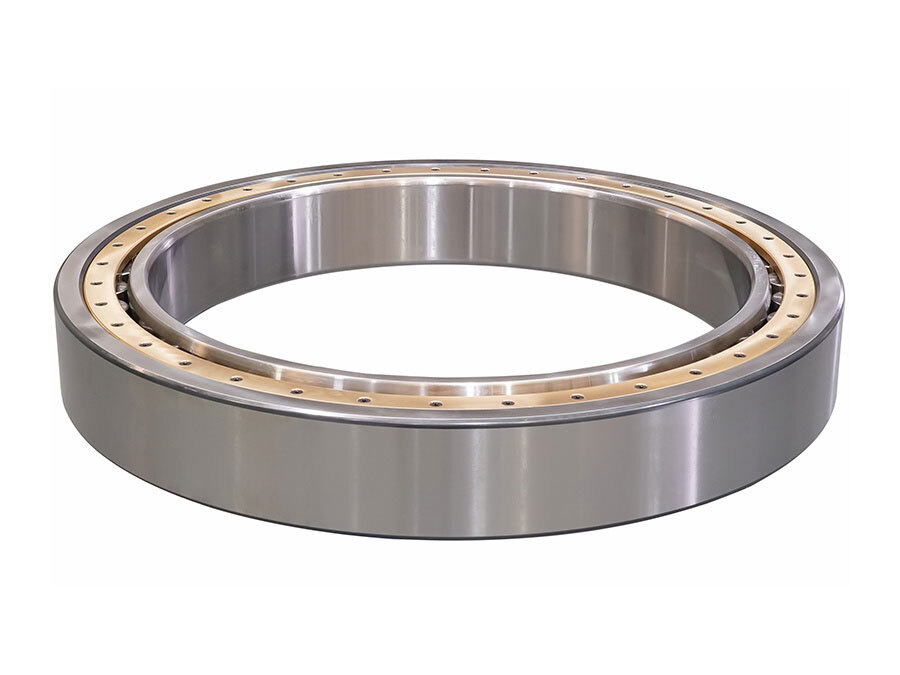
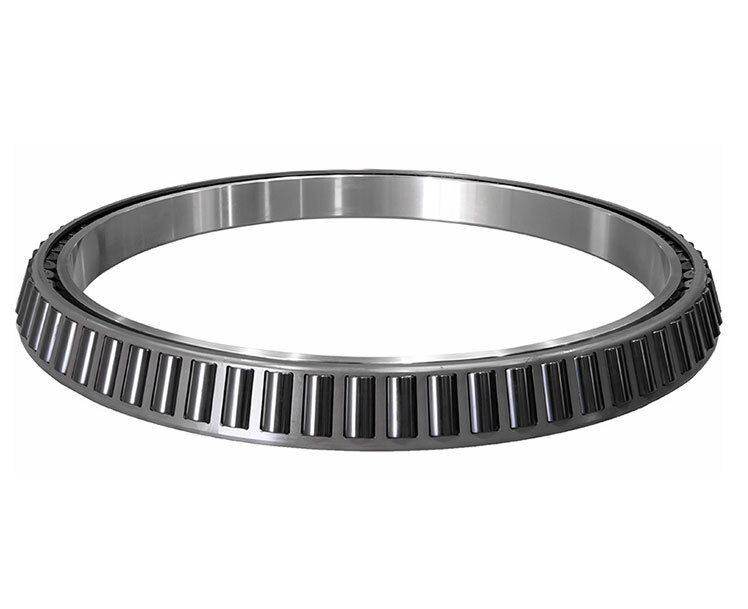
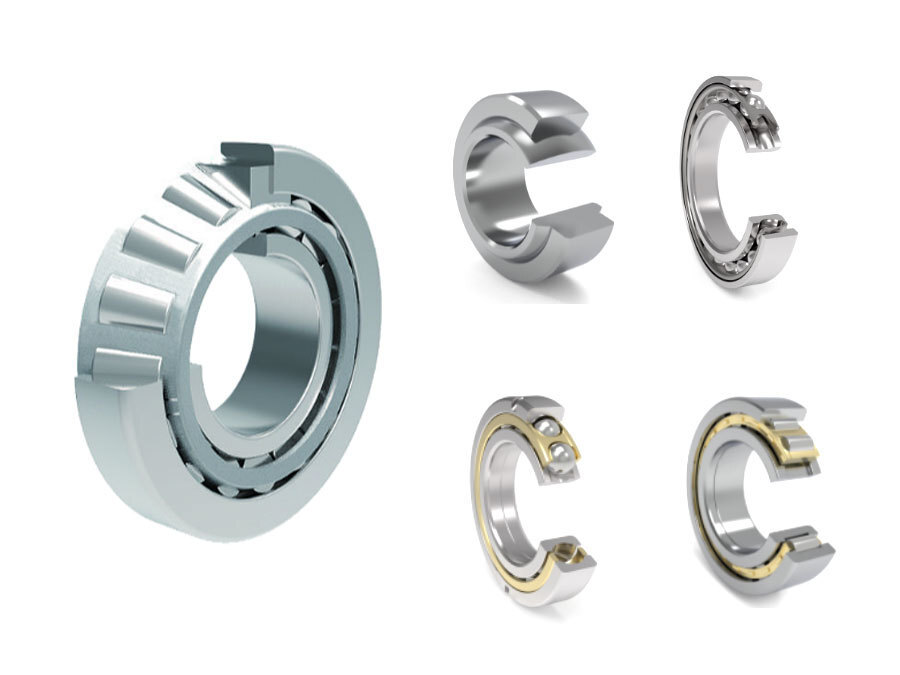
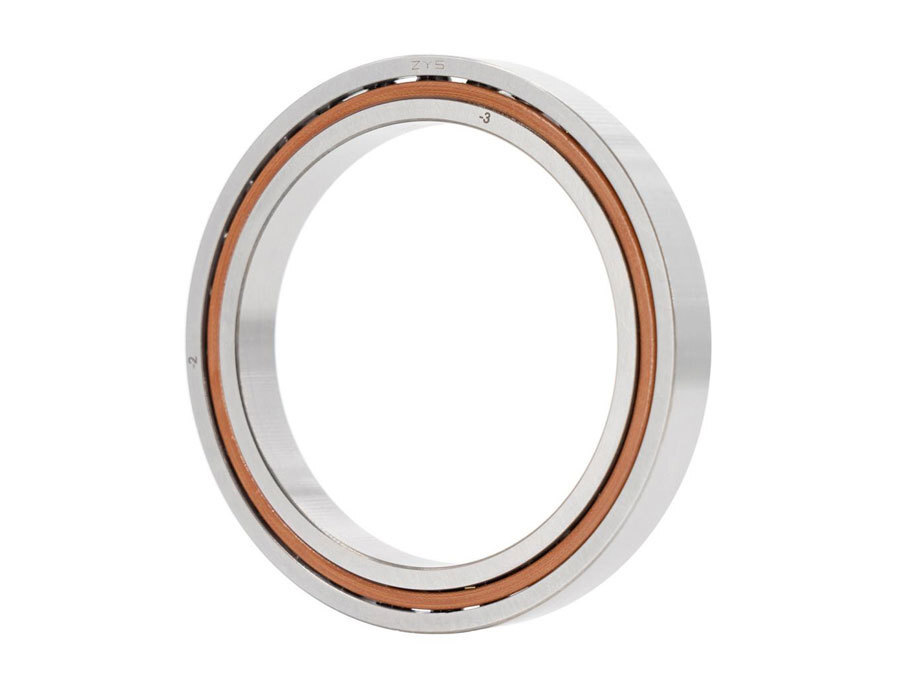
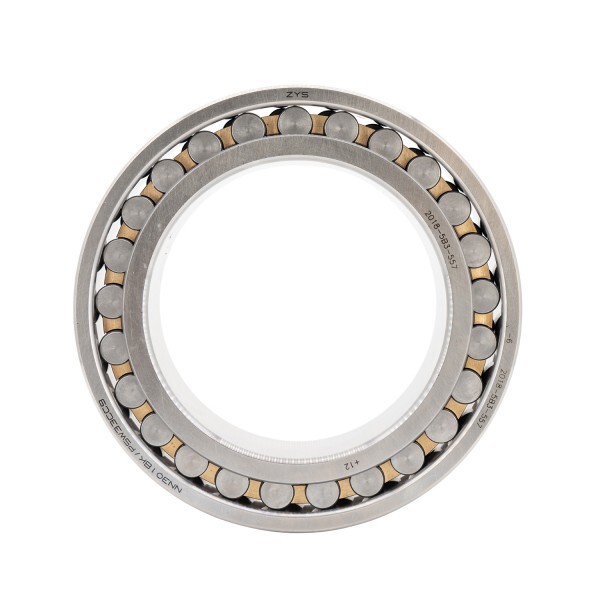
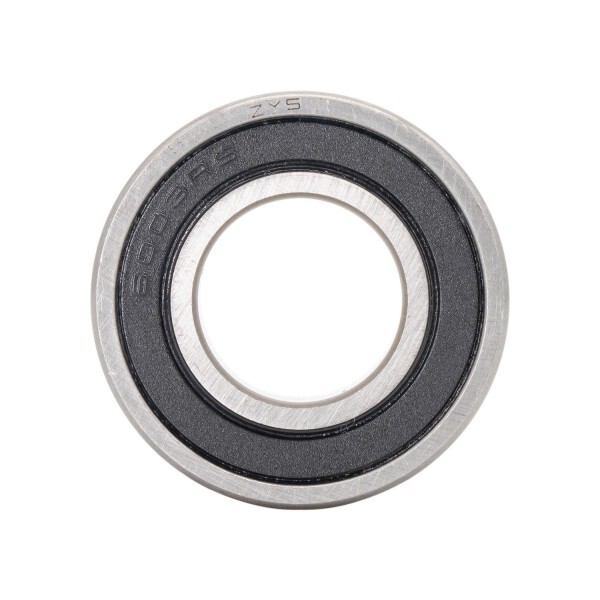
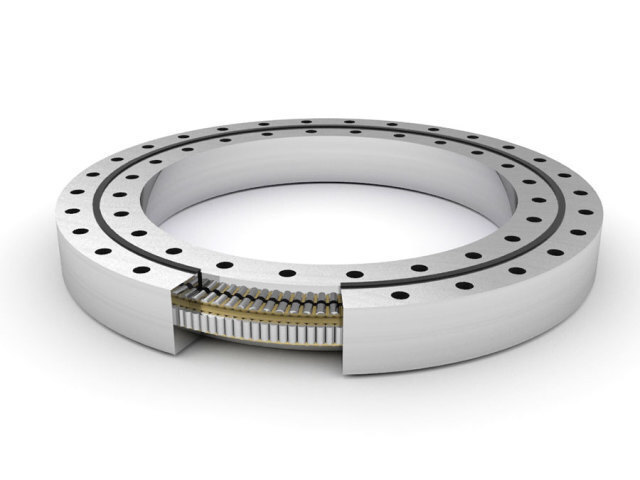
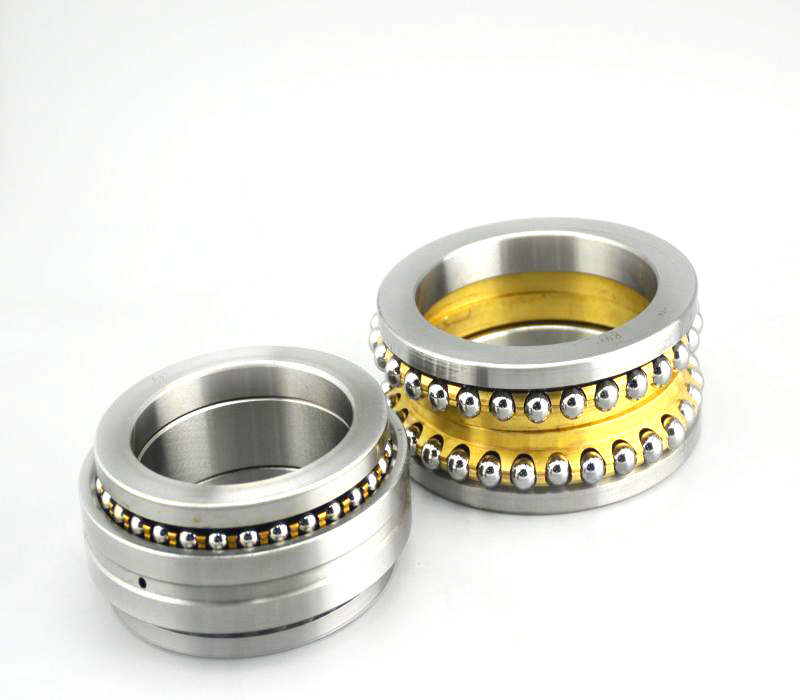
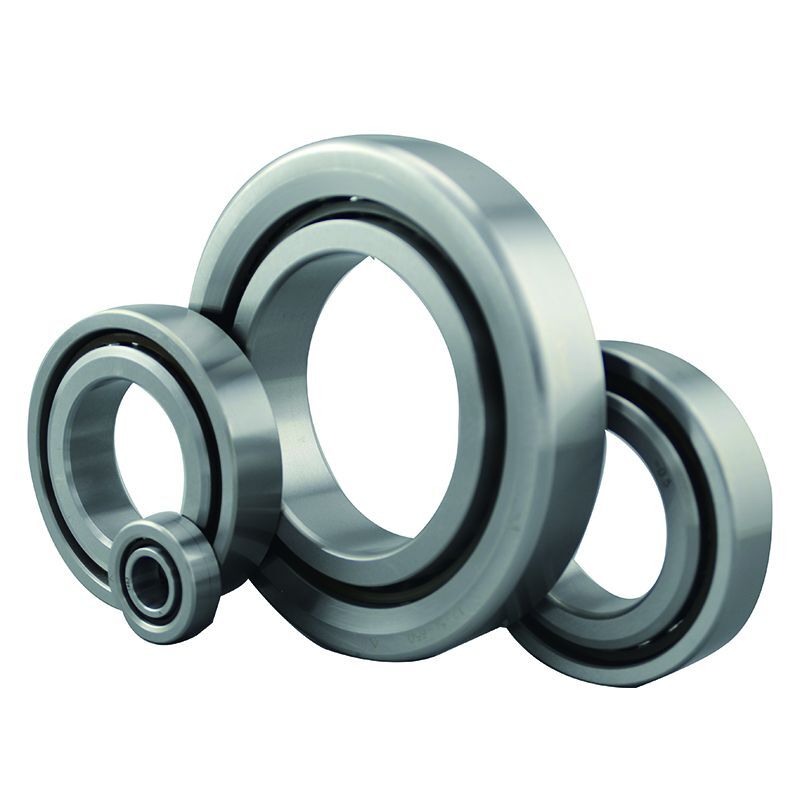
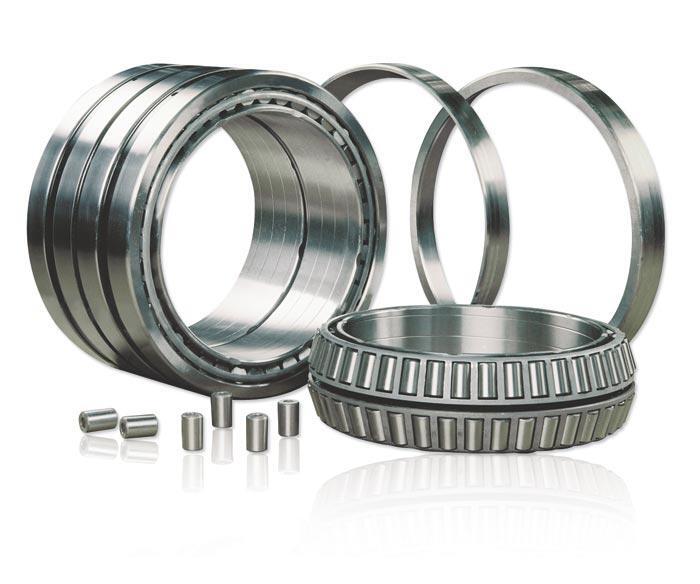
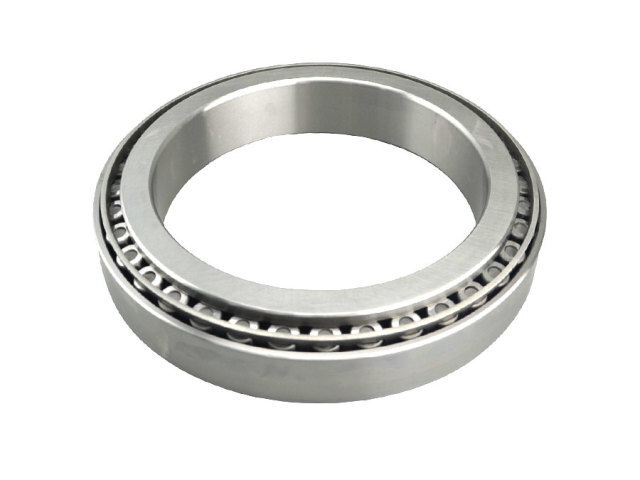
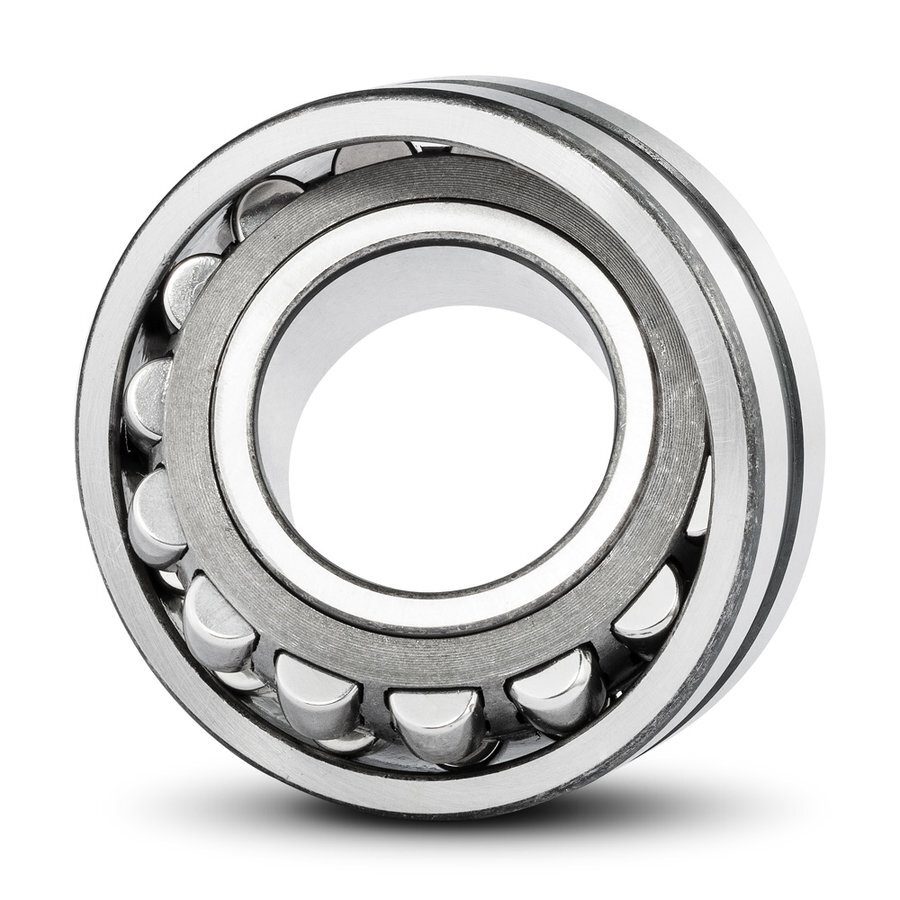
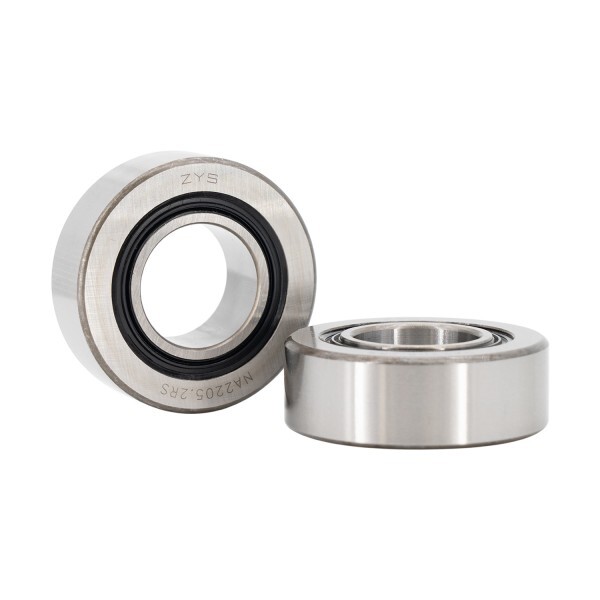
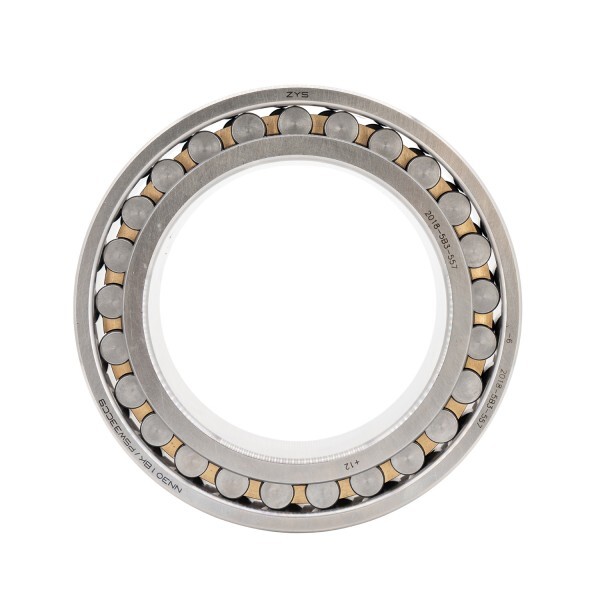
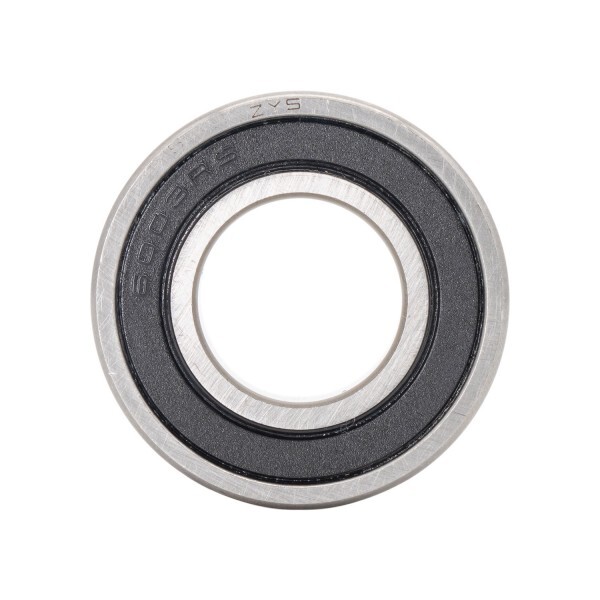
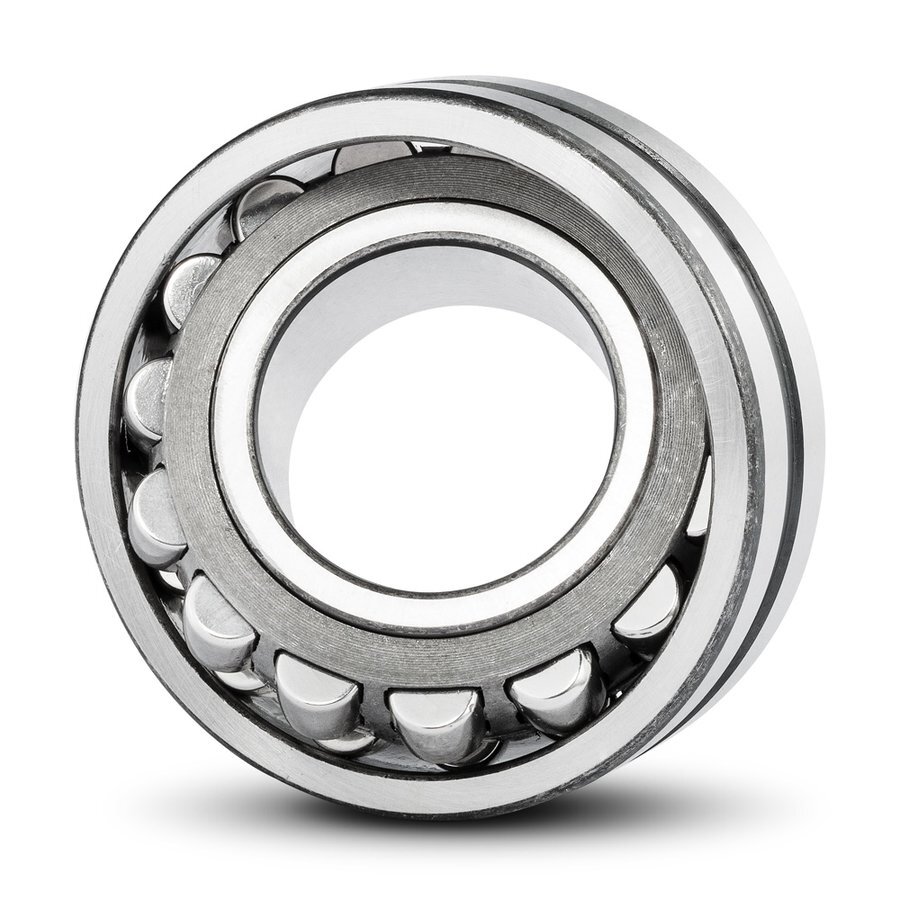
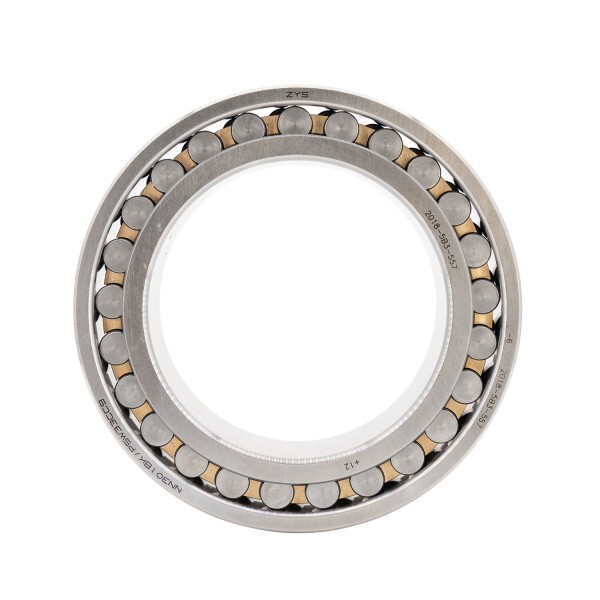
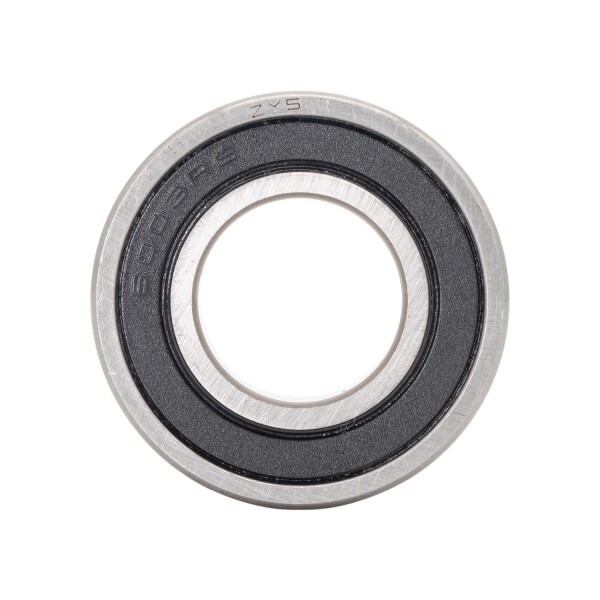
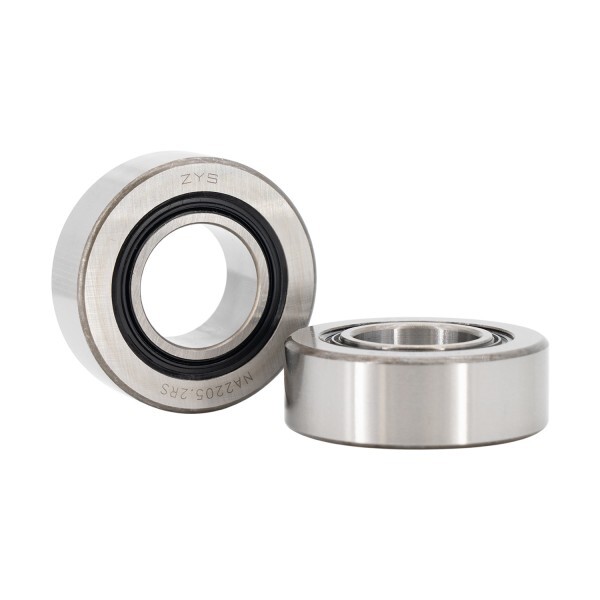
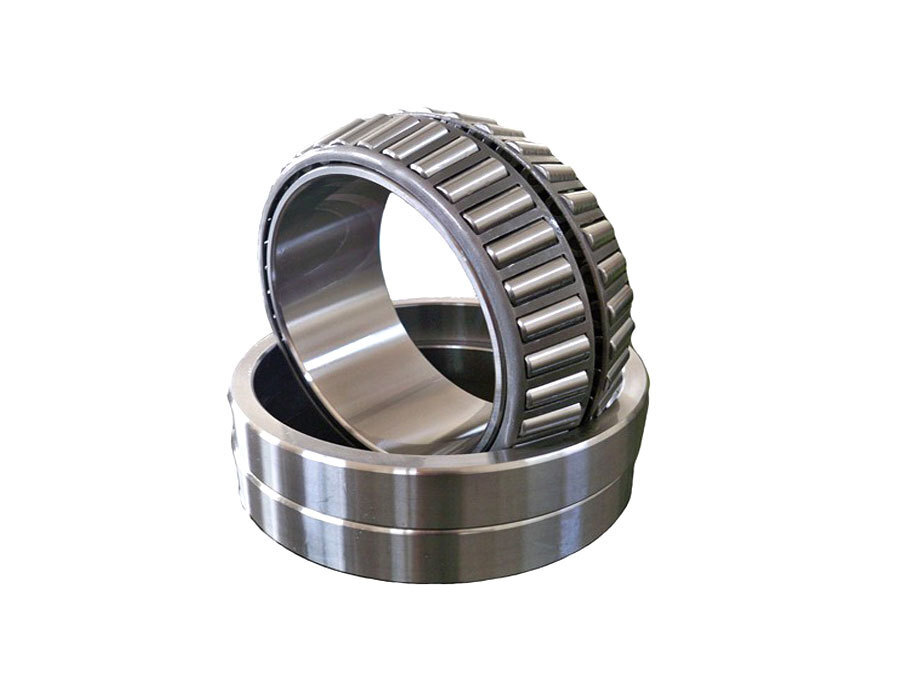
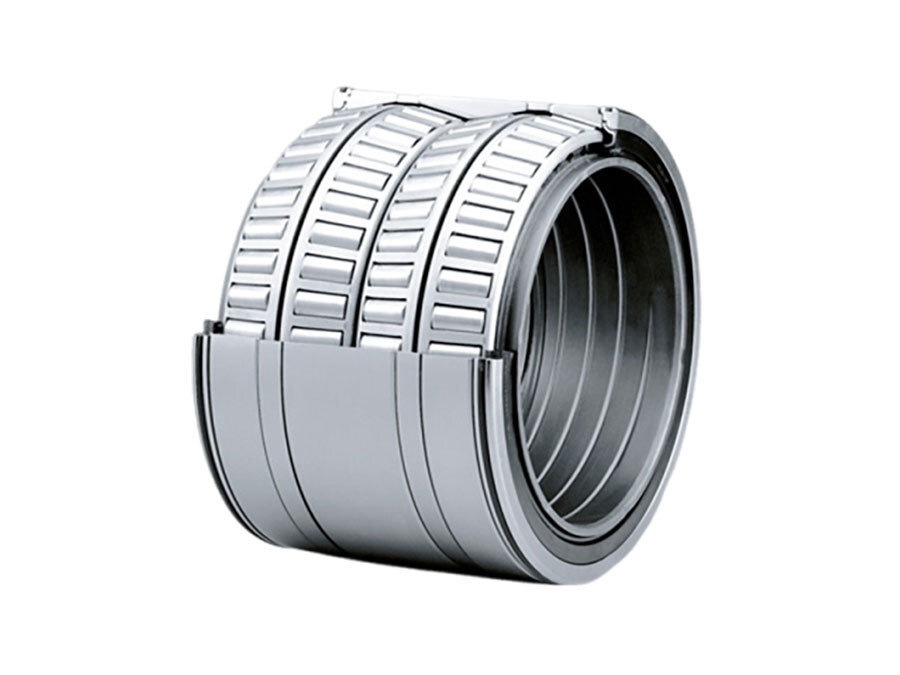
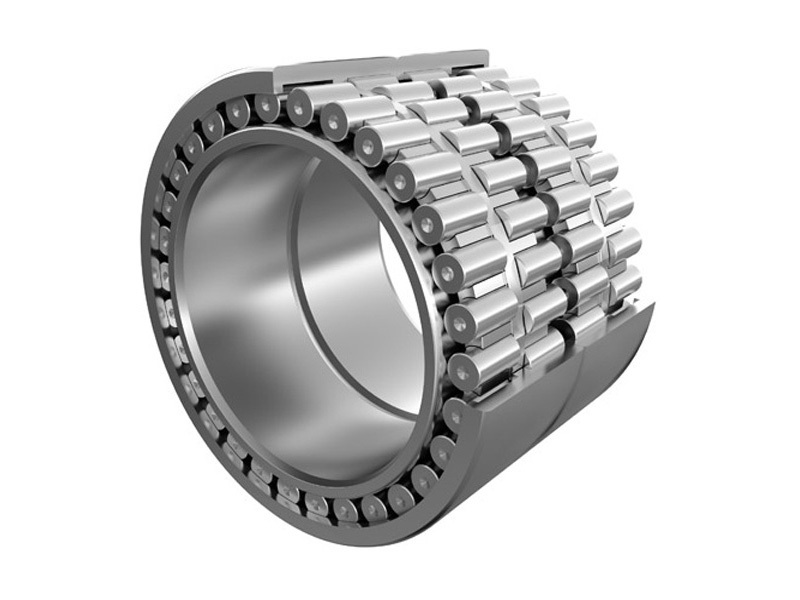
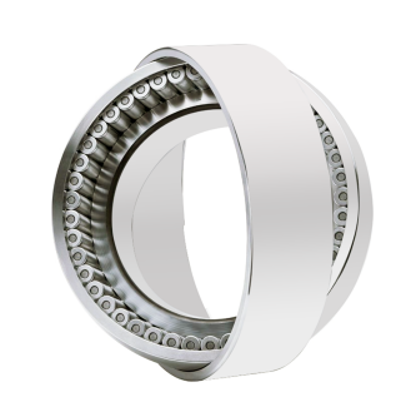
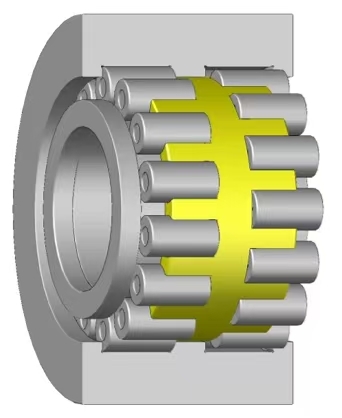
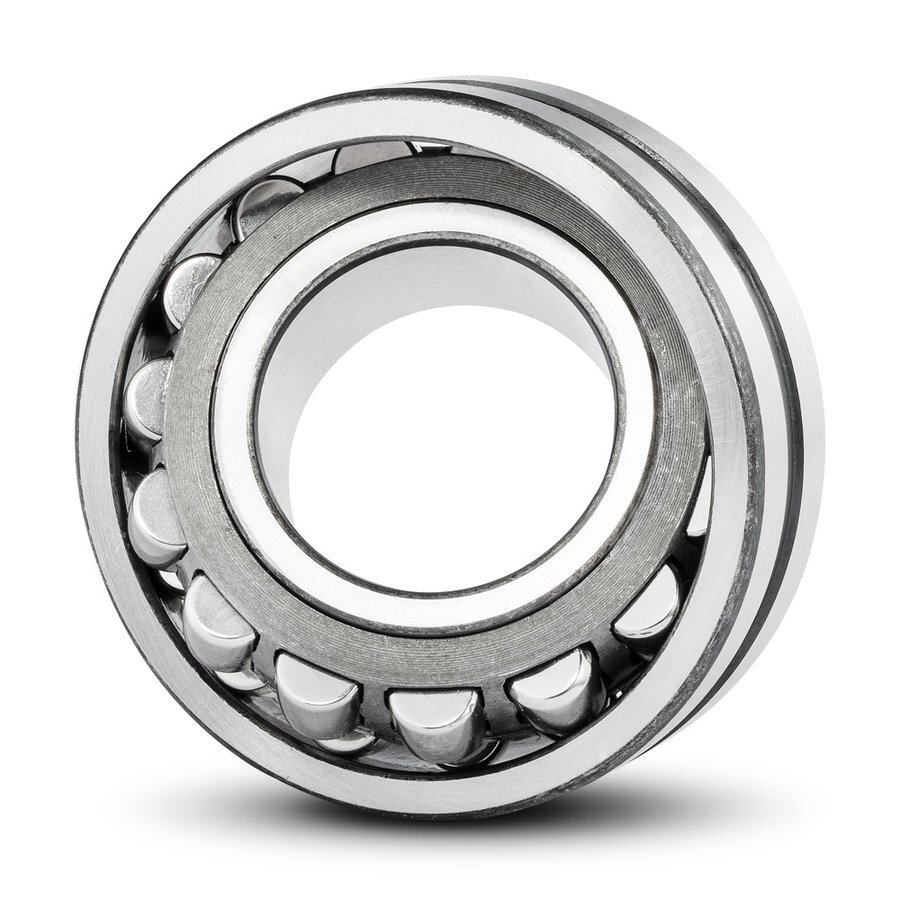
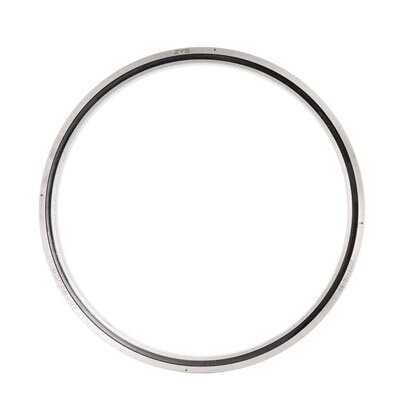
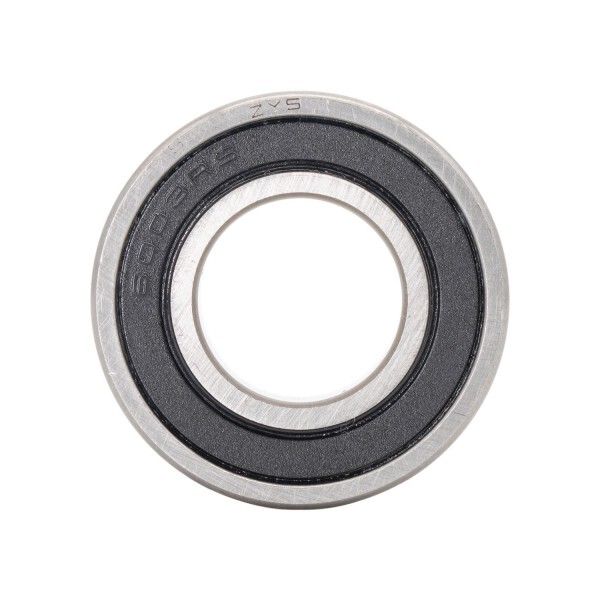
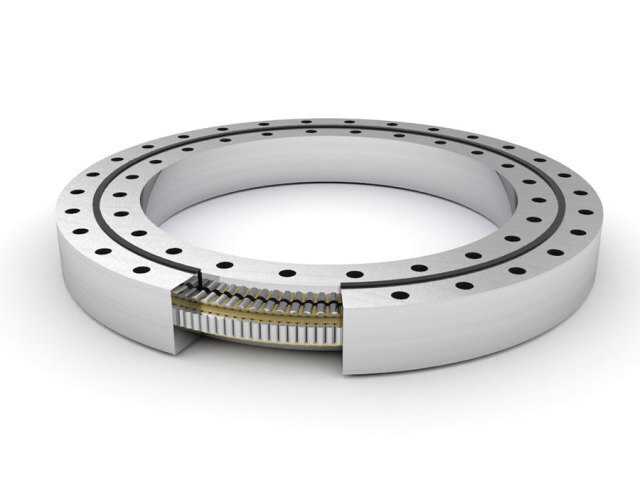
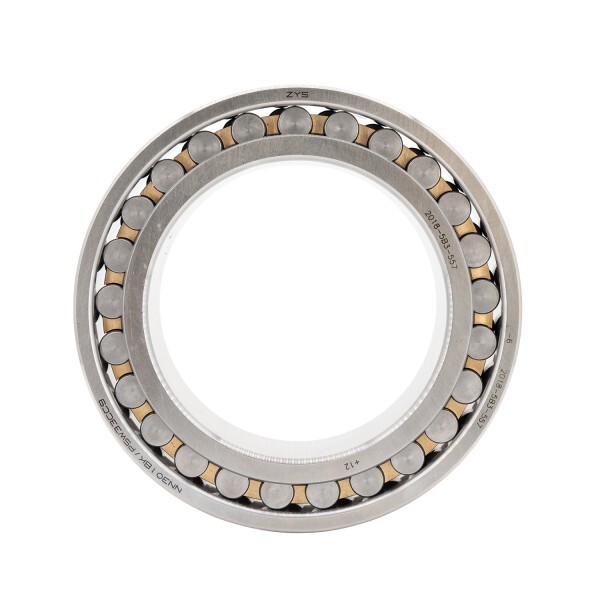
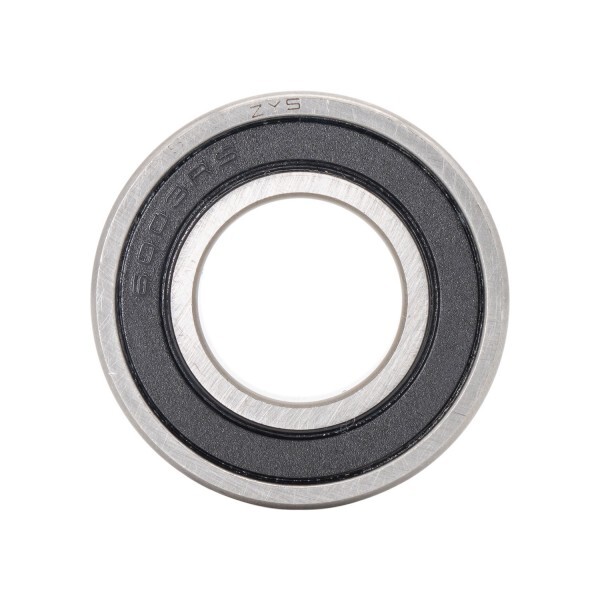
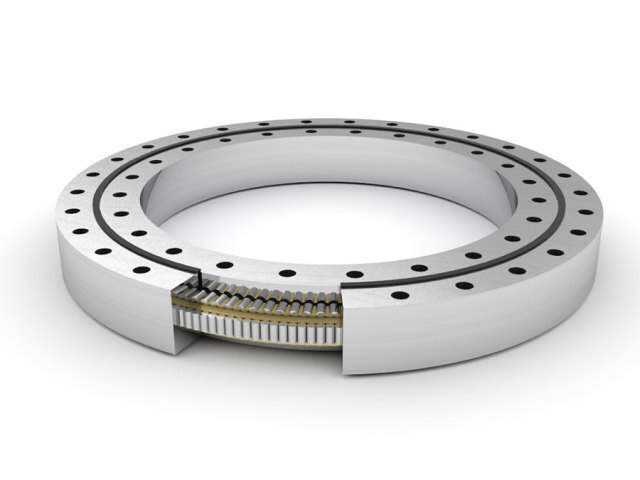
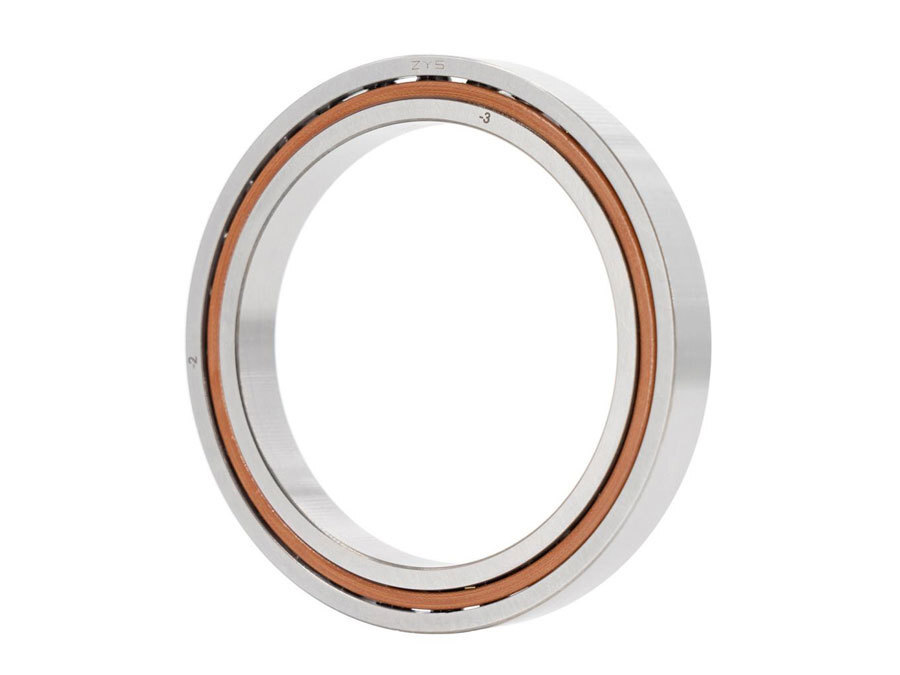
◆ Gearbox bearings are mainly tapered roller bearings, four-point contact ball bearings and cylindrical roller bearings, as well as deep groove ball bearings, spherical roller bearings and angular contact ball bearings. The bearing configuration varies, mainly depending on the design and operating conditions of the gearbox.
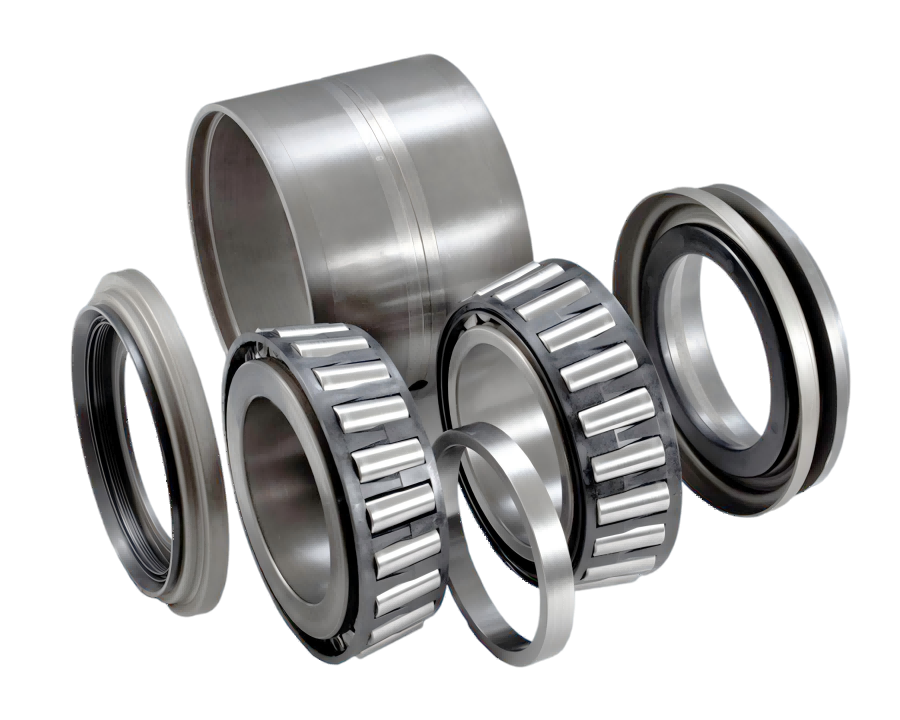
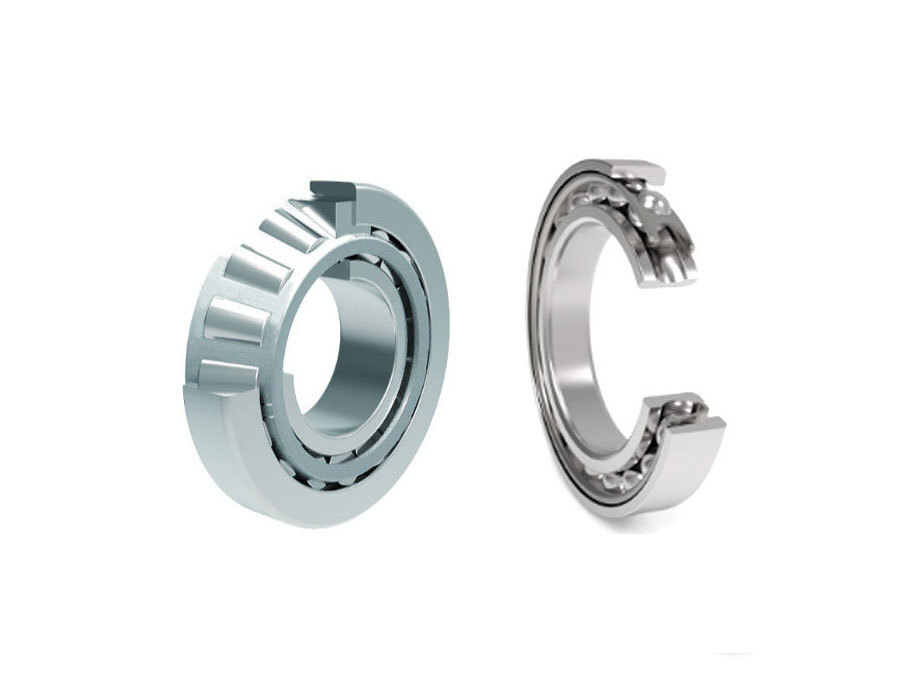
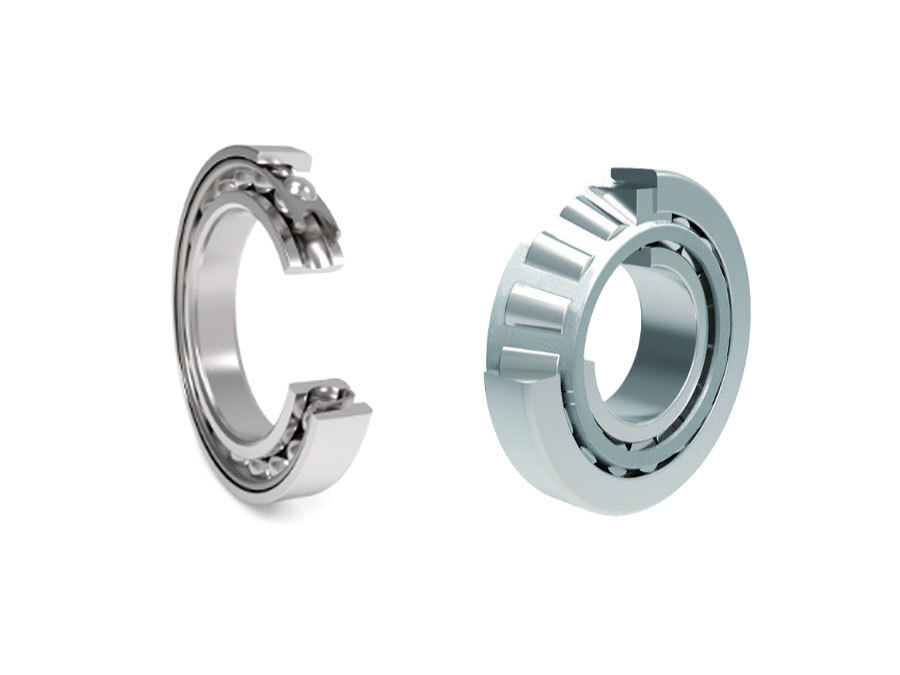
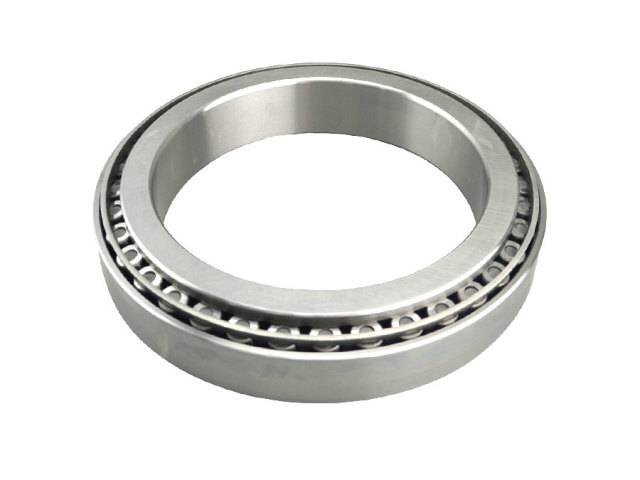
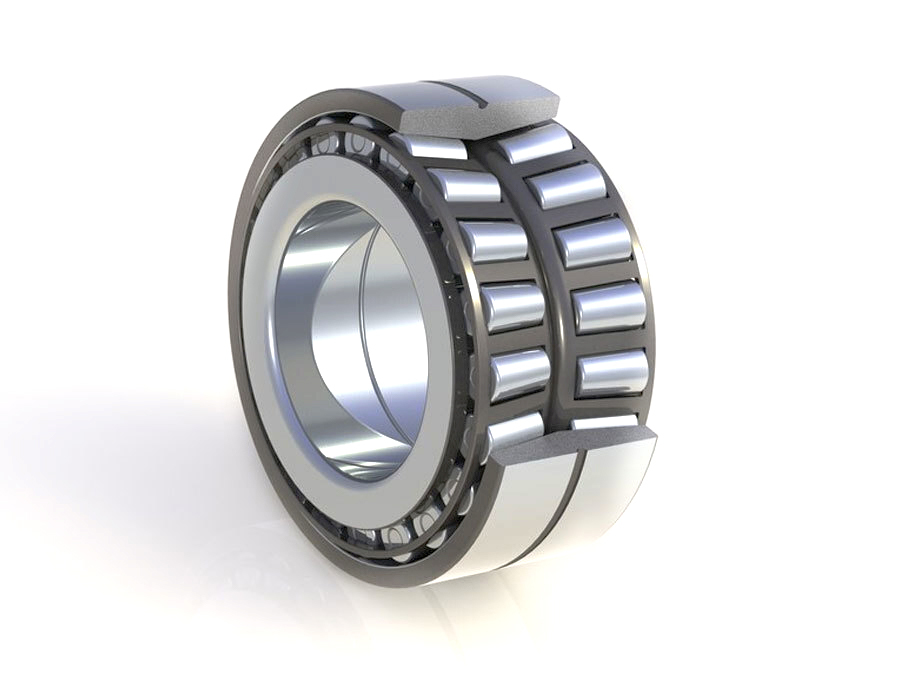
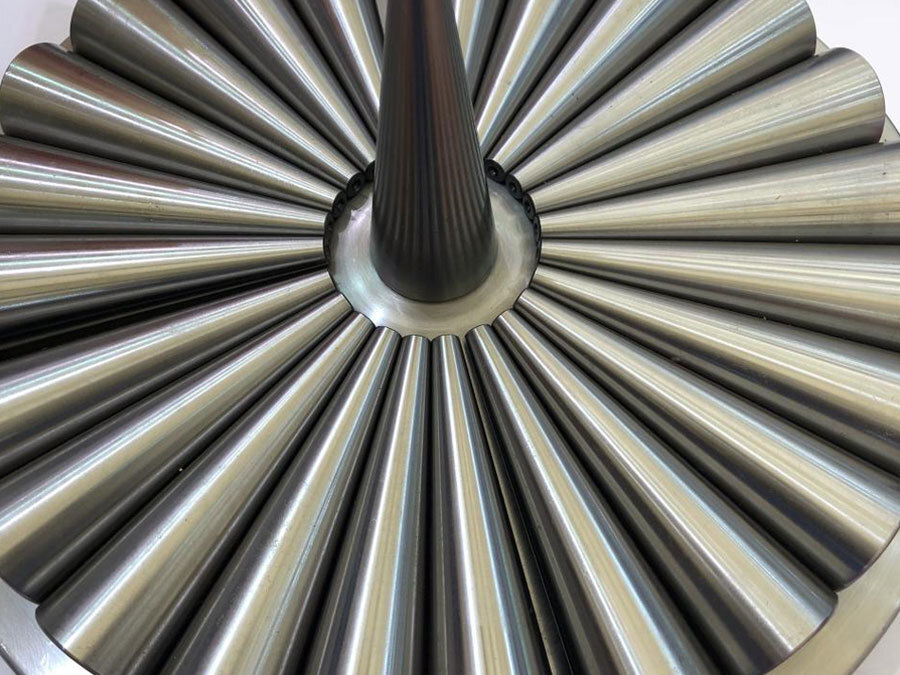
◆ Tapered roller bearings are separable bearings, whose inner ring assembly and outer ring can be separated and assembled separately. The modified line contact between the rolling element and the raceway avoids edge stress. It can withstand high radial and axial loads at the same time. Because this type of bearing can only withstand unilateral axial force, in order to transmit the axial load in the opposite direction and balance the internal eccentric force, another tapered roller bearing installed symmetrically with it is required.
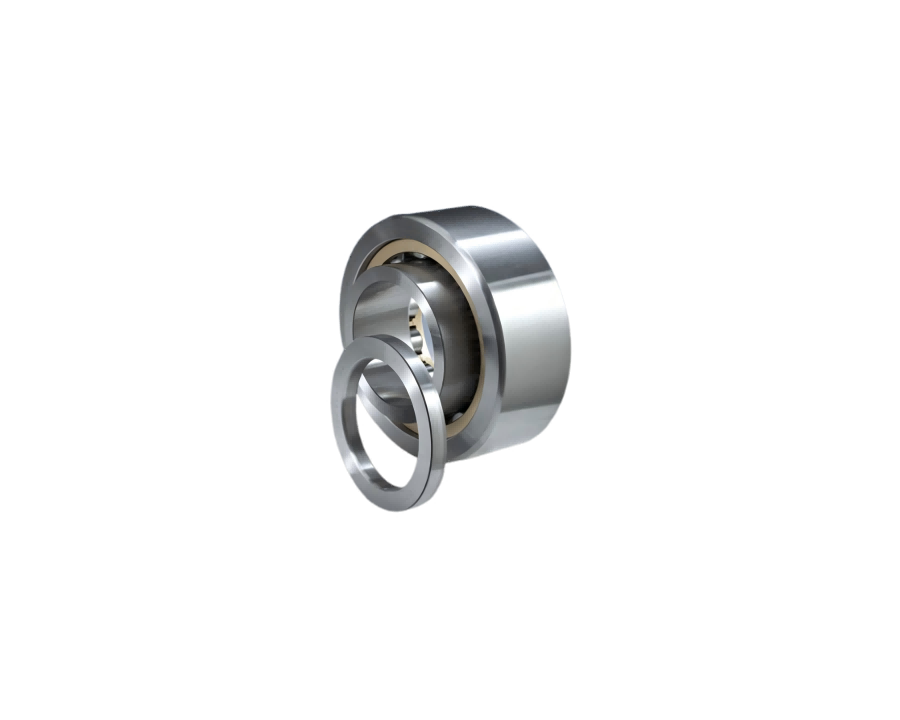
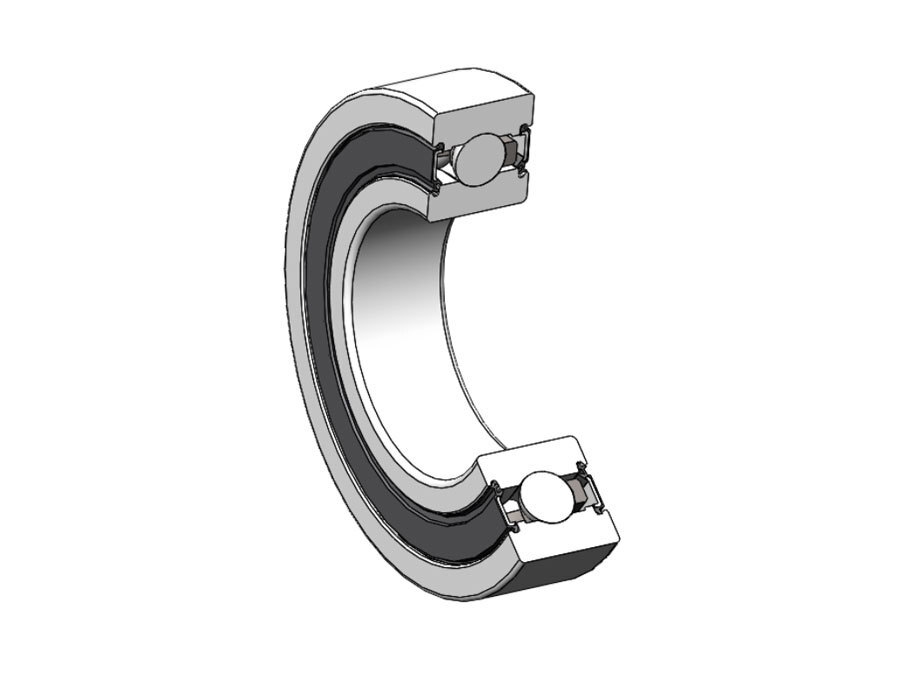
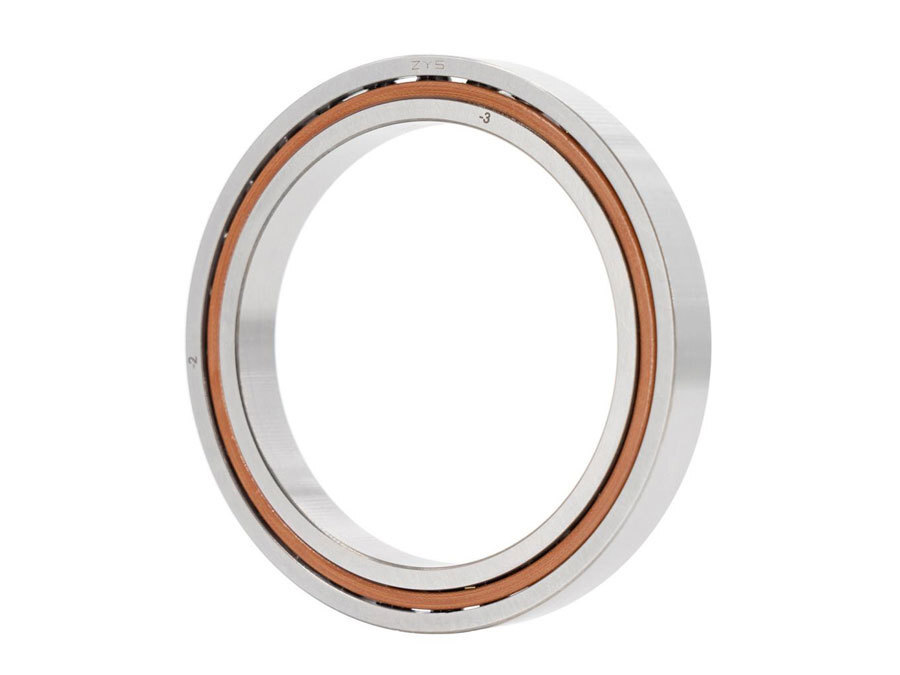
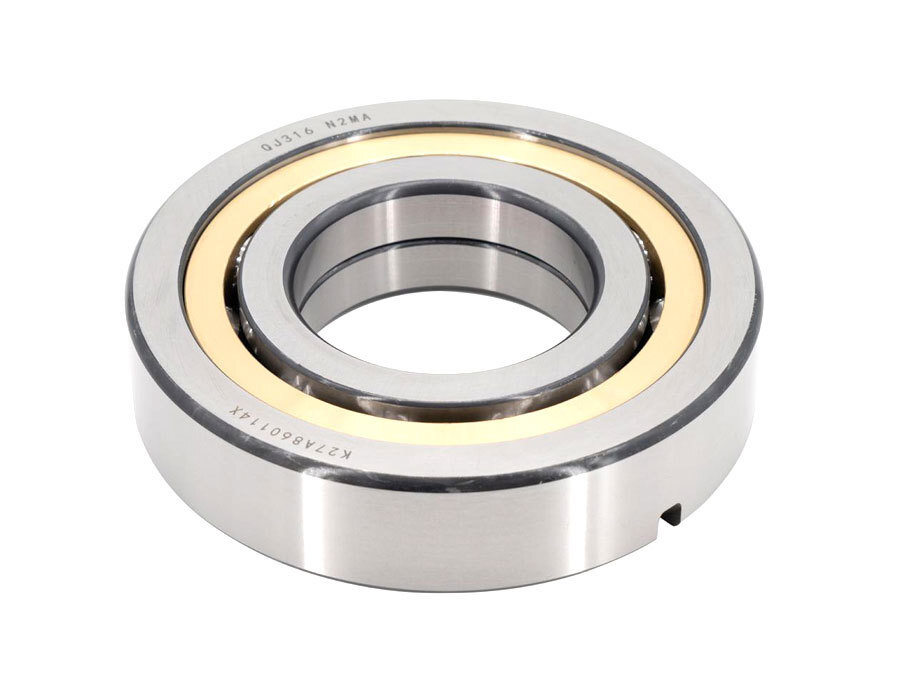
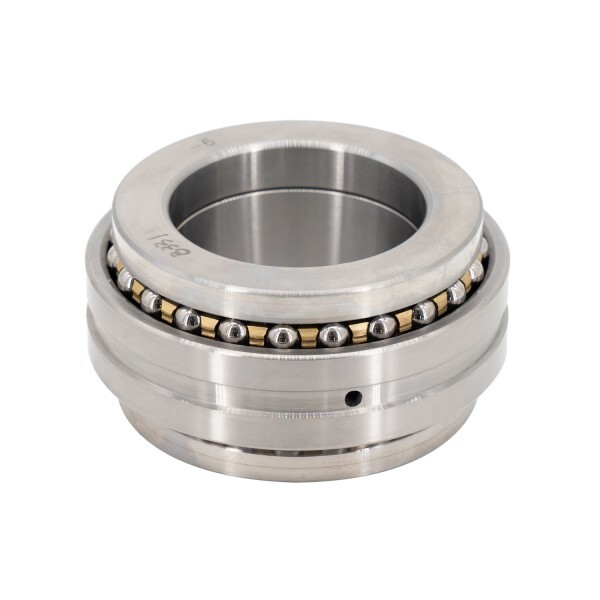
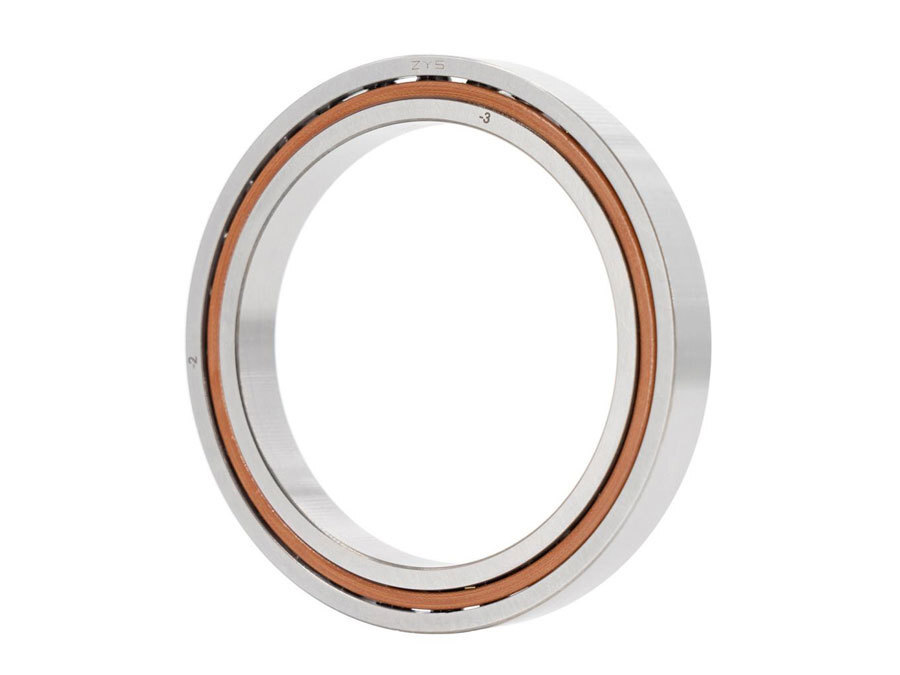
◆ The four-point contact ball bearing is a single-row angular contact ball bearing. It can bear axial loads in both directions at the same time. It is usually used in pairs with cylindrical roller bearings that bear radial forces and has a loose radial fit. In low friction, especially at high speeds, the minimum axial load is required. The split structure of the inner ring allows it to accommodate more steel balls.
◆ The design of the gearbox bearing is based on the structural dimensions of the gearbox, and taking the above factors into consideration, the following special design is adopted, and the general calculated life span can reach 1.5 million kilometers.
● Enhanced internal design
● Special cage design
● Improved accuracy and adjust internal clearance
● Ring with retaining groove design to prevent rotation


Copyright 2013-2025 Zhengzhou Sinomach Precision Industry Development Co., Ltd.